

Art History - July 25 revision
A COMMUNITY OF SCHOLARS
EXPLORING ART ACROSS TIME, PLACE, AND THEORY
Explore the history of art through dynamic coursework, original research, and direct access to leading museums and cultural institutions.
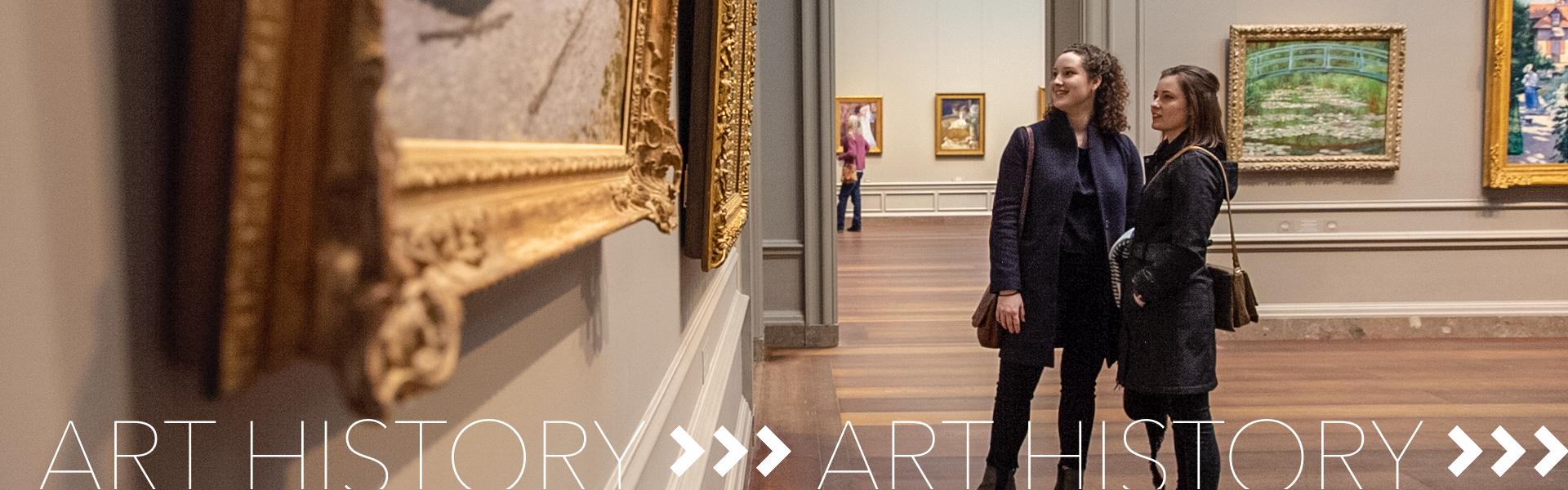
At the Corcoran, you’ll explore art history just steps from the Smithsonian museums, the National Gallery, and some of the world’s most influential collections. Our program isn’t just about lectures — it's about discovering how art shapes culture, politics, and identity.
You'll dive deep into periods from the Renaissance to the Contemporary, guided by faculty who are researchers, curators, and mentors. Whether you’re planning to curate museum collections, write for art publications, or pursue graduate school, the Corcoran gives you the access and support to get there.
INFORMATION SESSIONS
Each academic year, we offer virtual information sessions led by faculty to help prospective students learn more about our programs, faculty expertise, and application process.

WHAT WE STUDY
We offer five ways to study art history at the undergraduate level: a Bachelor of Arts in Art History, a dual Bachelor of Arts in Art History and Fine Arts, a Minor in Art History, and a Minor in Art History and Fine Arts. For students interested in continuing their studies, we also offer a Combined BA/MA Degree in Art History.

HOW WE LEARN
At the Corcoran, learning happens far beyond the classroom. Through close engagement with art, original research, and regular access to world-renowned museums and cultural institutions, students gain firsthand experience with the materials they study. Whether conducting research in local collections, participating in seminar-style discussions, or collaborating on curatorial projects, students learn to think critically, write persuasively, and engage art history as a living, evolving discipline.
'When I took my first art history course at GWU, I knew immediately that this was my passion. The art history courses I took were comprehensive and interdisciplinary, and my professors always encouraged me to take my research in new directions.'
Joseph Albanese
BA ‘17


Where We Go
As an Art History student at the Corcoran, you’ll build the skills and connections to chart your own path, whether that means curating at a museum, working in arts education, contributing to cultural policy, or pursuing graduate study. With access to D.C.’s world-class institutions and support from dedicated faculty mentors, you’ll be prepared to take your next step with confidence.

Caitlin Chan (BA ’21) graduated from GW with majors in Art History and International Affairs. From 2021 to 2022, she worked as a research intern at Christie’s New York in the Post-War and Contemporary Art department. She is currently a Ph.D. candidate at Stanford University, working broadly on modern and contemporary art. At Stanford, Caitlin is a recipient of the Leadership in Inclusive Teaching Fellowship and the Jeanette and William Hayden Jones Fellowship in American Art and Culture.

Elizabeth Block (BA ’94) recently published Power and Vanity: The History and Power of Hairdressing (MIT Press, 2024). Block, a senior editor in the Publications and Editorial Department at the Metropolitan Museum of Art, combs through the complex cultural meaning of 19th century hair. Against a backdrop of high society salons—then called “hair rooms” or “saloons”—she uncovers the stories of often Black and mixed-race business owners forging independent paths in the burgeoning hair industry. Read more.
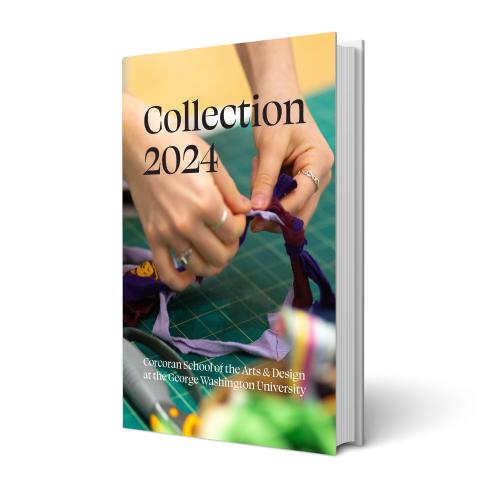
STUDENT WORK
See examples from past classes’ culminating projects and work.

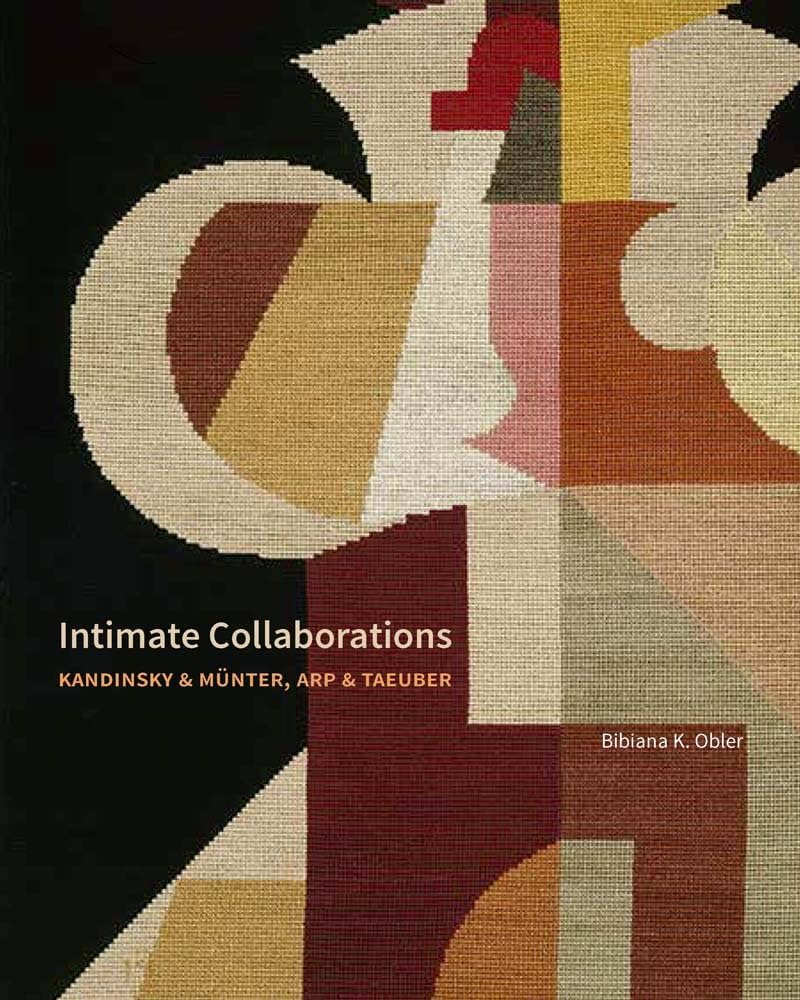
In Intimate Collaborations: Kandinsky and Münter, Arp and Taeuber, Bibi Obler looks at two influential artist couples and the roles of gender and the applied arts in the emergence of abstraction.
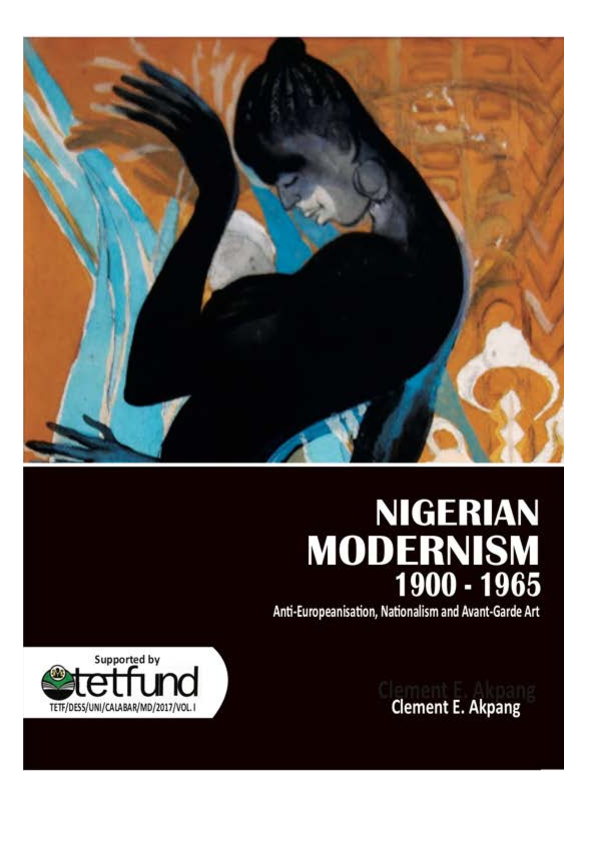
In his first book, Nigerian Modernism 1900-1965: Anti-Europeanization, Nationalism and Avant-garde Art, Clement Akpang explores the intersection of modern art, nationalism, and decolonization politics in Nigeria.
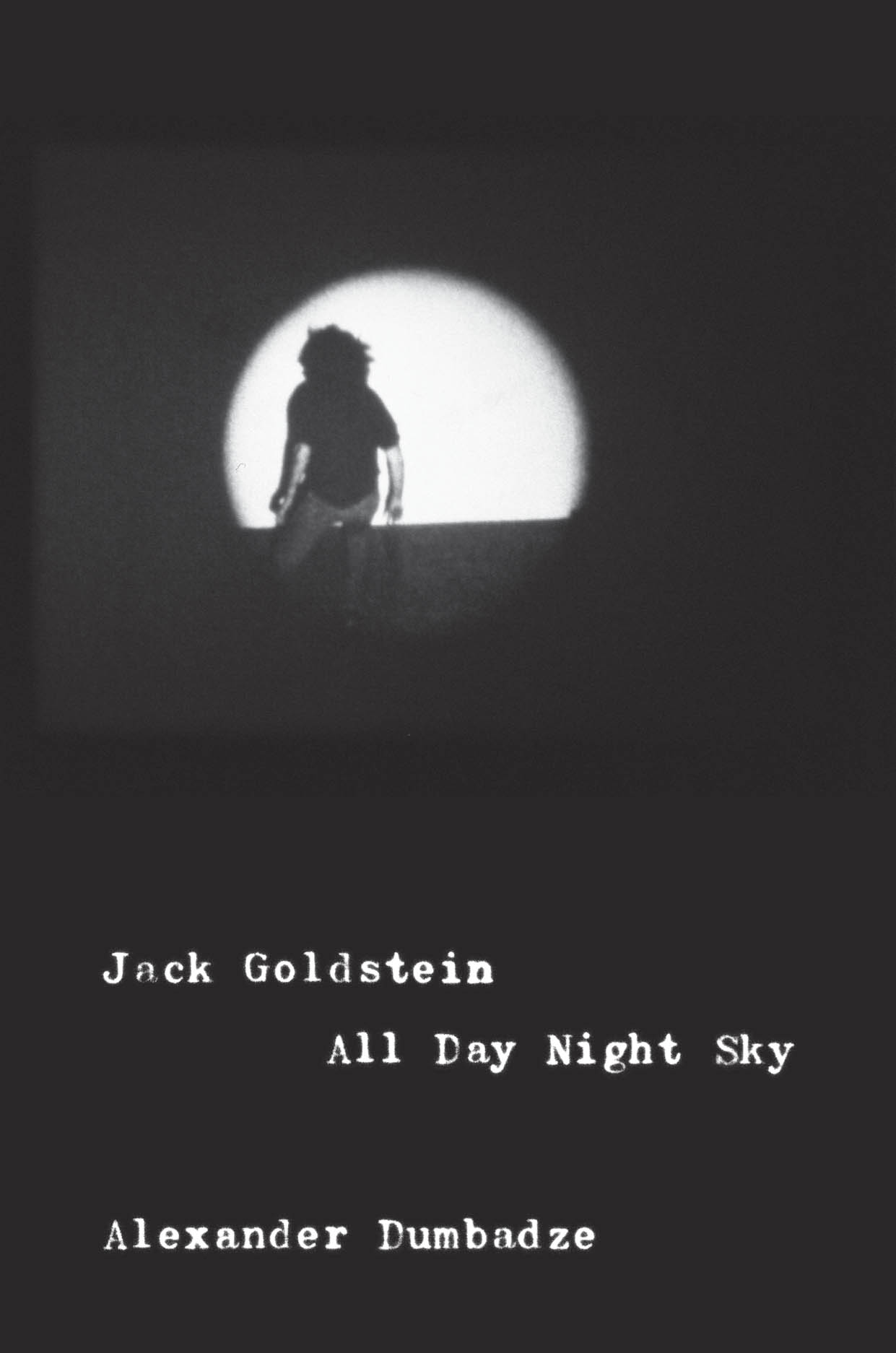
In Jack Goldstein: All Day Night Sky, Alexander Dumbadze delivers a poignant account of the life and work of conceptual artist Jack Goldstein.


Clothing, Nationalism and Cultural Identity: The Symbolism of Traditional Attire in Defining Nigeria's Diverse Ethnic Indigenism
February 6, 2025
Prof. Clement Akpang's essay is now available in the anthology Reading the Thread: Cloth and Communication
Welcome to GW!
July 16, 2024
Ten scholars from an array of disciplines were recruited by the university to join Columbian College’s roster of permanent full-time faculty members this year. They include noted historians, authors, scientists and practitioners in numerous fields.
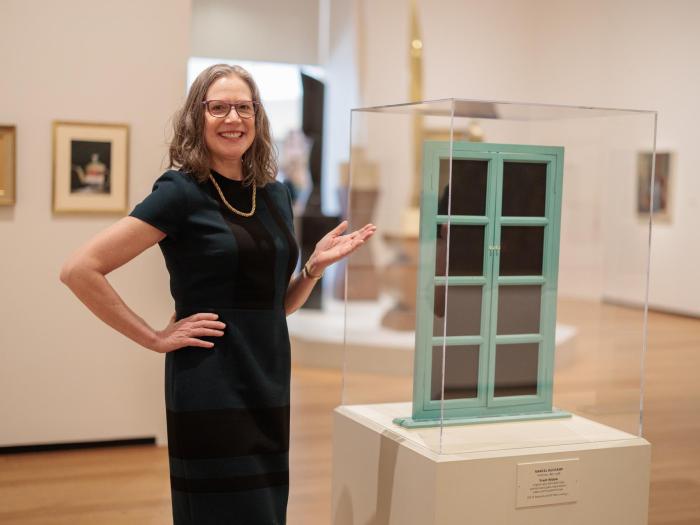
The Playful, Elusive Legacy of a Great Provocateur
March 24, 2024
GW art history students learn about Marcel Duchamp while curating an exhibit showing his influence.
